Systems Plan
Built for the parts hidden in walls and closets. Think furnace, central air, water heater, pipes and wiring. Each plan names the parts it takes on.
View systems
A plain look at plans for home systems and appliances
Built for the parts hidden in walls and closets. Think furnace, central air, water heater, pipes and wiring. Each plan names the parts it takes on.
View systemsMade for the machines you lean on daily. A fridge that stops cooling or a dryer that won't heat may fit here, if the plan lists that kind of item.
View appliancesHolds systems and appliances in one agreement. You get one plan term, one set of rules and one place to send a service request when needed.
View combined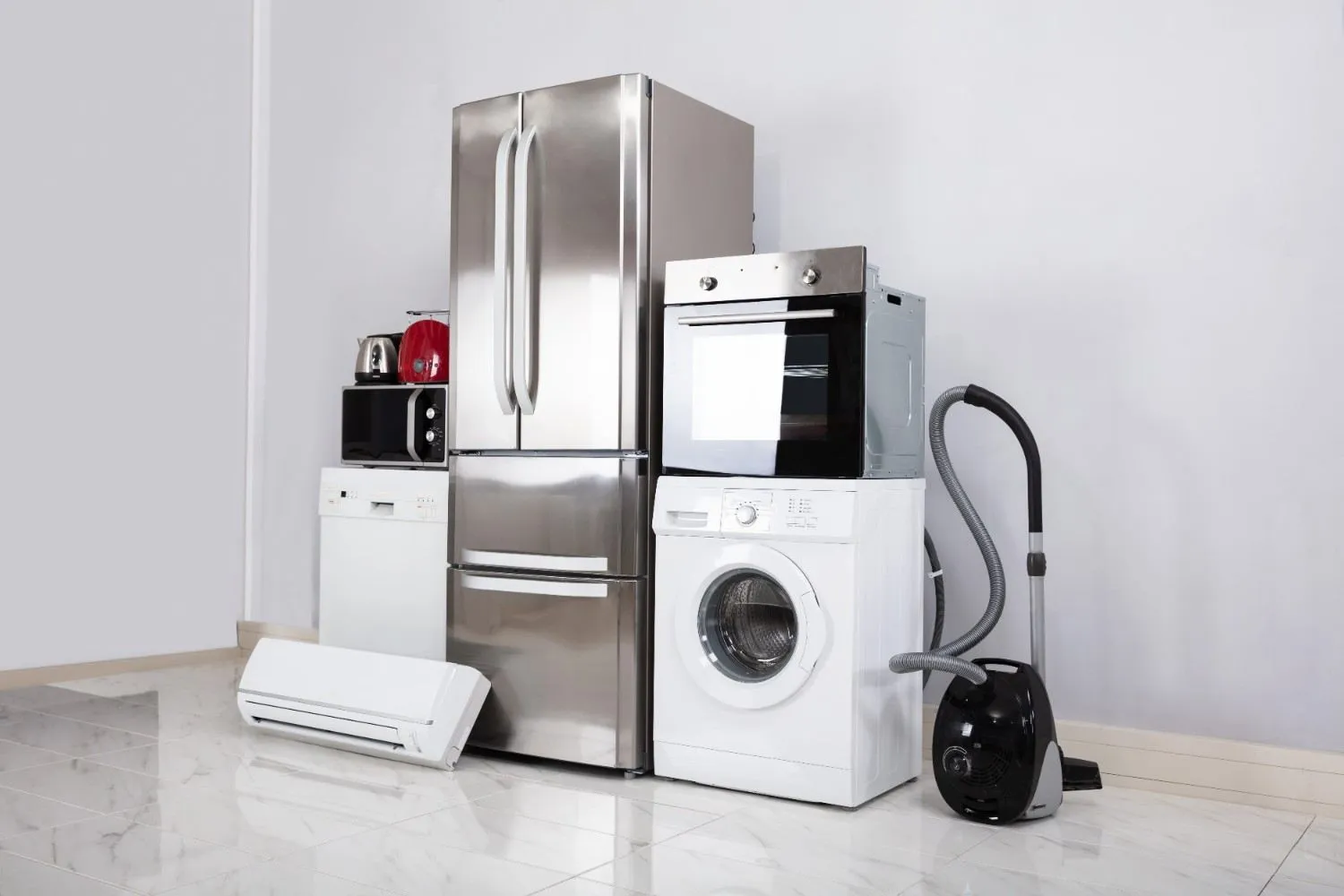
A home warranty is a service contract for the things that wear out with daily use. When a covered system or appliance breaks down from normal use, the plan can pay to repair or replace it, within its limits and terms.
I built FloryNest so you can see how each plan works before you sign up.
More about FloryNestThe AC blows warm air or the oven won't light. Note what happened and when.
Fill in a short online form with the item, the issue and your plan details.
A qualified local technician is matched to the request and checks the item.
If the failure is covered, the fix goes ahead for your set service fee.
Pick the systems and appliances you want on your plan, and I will set up your coverage from there.

Plans can look alike on the surface. These four lines in the agreement shape what really happens when something breaks.
Short answers to the plan questions I hear most. Your own agreement always has the final word.
Often it does not. Many plans accept older items, as long as they work properly when coverage starts. Check the agreement for any age rules.
It means a part wore out from regular use, like a tired fan motor. Damage from a fall, a flood or rough handling is not treated as normal wear.
Most plans match you with a technician from their own list. Outside help may not be paid back, so check when your agreement allows it first.
The maker's warranty usually comes first. A home warranty plan tends to step in once that original coverage has run out for the item.
Common exclusions are problems that began before the plan, cosmetic damage, code upgrades and items that were never installed right.